
Loading...
Serving Los Altos, CA and surrounding areas. (650) 680-4240
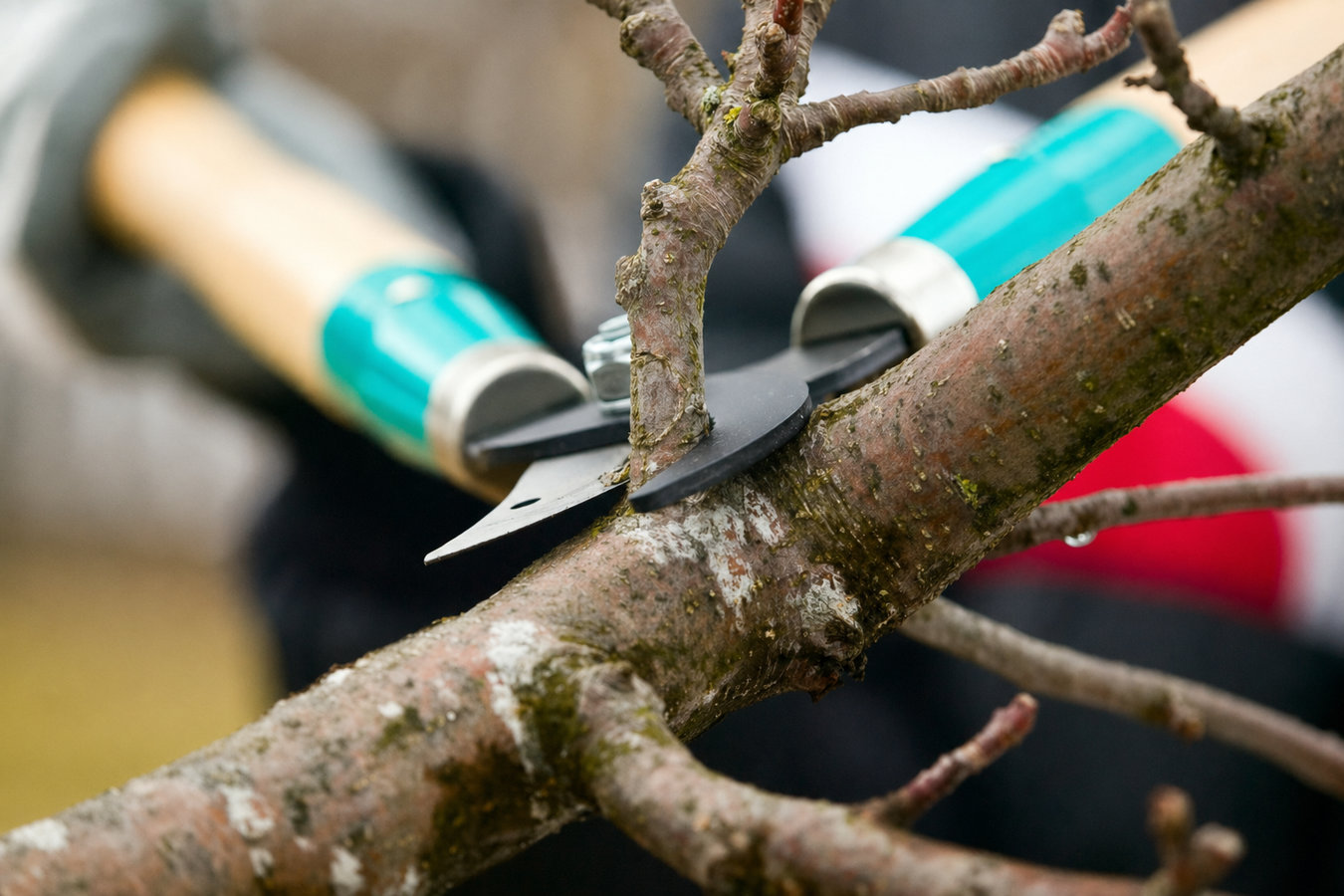
Rapid Los Altos Tree Services provides tree pruning, removal, trimming, stump grinding, and emergency tree care to homeowners across Cupertino, CA - a locally owned crew serving the South Bay since 2019, with free written estimates and replies within one business day.
Cupertino properties commonly have mature oaks, fruit trees, and ornamental trees that have been growing on the same lot for 40 to 50 years. Structural pruning removes dead wood, reduces crown weight, and keeps these trees healthy without triggering the city's protected-tree permit requirements. Learn more about our tree pruning service.
When a tree on a Cupertino property has reached the end of its life or poses a structural risk - especially on hillside lots near the Santa Cruz Mountain foothills where slopes affect root stability - removal is the safer and less expensive long-term choice. We handle permit navigation and safe removal on all property types in the city.
Many Cupertino homes have been expanded with additions and second stories over the decades, and trees that were well clear of the original roofline now brush against new eaves or gutters. Regular trimming keeps canopies back from structures and maintains clearance from neighbor fences on mid-size lots.
Cupertino lots frequently have concrete driveways and patios that are original to a 1960s or 1970s home - and 50-year-old tree roots have had plenty of time to work their way underneath. After tree removal, stump grinding stops further root growth so you can repave or replant without the same problem coming back.
Cupertino's proximity to the Santa Cruz Mountain foothills means winter storm events sometimes bring wind and rain that flat valley cities do not see. When a large limb comes down on your fence or roof, we respond quickly to Cupertino emergency calls and clear dangerous trees and debris on short notice.
Cupertino homeowners adding ADUs, new patios, or major landscaping projects often need to clear brush, old stumps, and overgrown areas before construction can start. We clear and prepare Cupertino lots of all sizes so your project can begin on a clean, workable site.
Most homes in Cupertino were built between 1950 and 1985, and the trees on those properties have grown alongside them. Ranch-style single-family homes are the most common housing type, sitting on lots that typically range from 6,000 to 10,000 square feet with mature trees, established lawns, and concrete driveways. Those trees - often oaks, fruit trees, or ornamentals planted in the 1960s - have had 40 to 50 years to grow, and their roots have spread under driveways, sidewalks, and in some cases sewer lines. The clay soils across much of Cupertino expand every wet season and contract every summer, putting continuous stress on both the trees and the concrete around them.
Cupertino's position at the base of the Santa Cruz Mountains adds a layer of complexity that flat-valley cities do not have. Hillside properties in the western neighborhoods face slope drainage issues and soil instability that accelerates root movement and increases the risk of tree failure after heavy rain. The city's proximity to fire-prone foothill areas also means that dead or overgrown trees carry real fire risk, particularly during fall when California Department of Forestry and Fire Protection crews flag properties in elevated fire zones. Cupertino homeowners in the western neighborhoods are increasingly attentive to this, and scheduling regular pruning before fire season is a practical step that matters here in a way it does not in flatter, more developed cities nearby.
Our crew works throughout Cupertino regularly, and we understand the local conditions that affect tree service work here. The city's permit requirements for protected trees run through the Cupertino Community Development Department, and we routinely handle permit applications as part of our standard service in this city - particularly for mature oaks, which are among the most commonly protected species on Cupertino residential lots.
Cupertino is a city where you work on everything from a flat 1960s ranch home near De Anza College to a sloped lot up in the Monta Vista neighborhood where drainage runs differently and root systems grow at angles. Near Stevens Creek Boulevard and the former Vallco site, newer townhome developments have HOA requirements and shared-property boundaries that affect how tree work gets planned and documented. We are comfortable with all of it.
We serve neighboring Sunnyvale to the north as well, where similar postwar housing stock and clay soil conditions create many of the same tree maintenance needs. If you have work spanning both cities, we cover the full area.
Call or submit your contact information online and we respond within one business day. We ask a few quick questions - tree size, what you want done, and any urgency - so our estimator comes prepared to give you an accurate number.
We visit your Cupertino property, look at the tree in context with your yard, structures, and access, and give you a written estimate before any work is scheduled. If a city permit is required, we identify that at this stage so there are no surprises.
Our crew arrives at the scheduled time and completes the work using the approach discussed at the estimate. You do not need to be home, but we can walk the job with you if you prefer. We work around your landscaping and structures throughout.
We remove all debris and leave the yard clean before we leave. For larger jobs we do a final walkthrough to confirm everything was done as agreed. If stump grinding was not included and you want it, we can schedule a follow-up visit.
We serve homeowners throughout Cupertino, CA. Free written estimates, no pressure, and replies within one business day.
(650) 680-4240Cupertino is a city of about 60,000 people in Santa Clara County, bordered by Sunnyvale to the north, San Jose to the east, and the Santa Cruz Mountain foothills to the west. It is best known as the home of Apple Park, Apple's massive headquarters campus that opened in 2017 - a landmark most Cupertino residents can point to from their neighborhood. The residential core is made up primarily of single-story ranch homes built between the 1950s and the 1970s, interspersed with newer townhomes and condos added in more recent years along Stevens Creek Boulevard and near major commercial corridors. Lot sizes in the older neighborhoods typically run between 6,000 and 10,000 square feet, with mature trees and landscaping that reflects decades of ownership.
Cupertino is also home to De Anza College, one of the most attended community colleges in California, which sits on Stevens Creek Boulevard and has been part of the community since 1967. The Monta Vista neighborhood in the western part of the city is one of the more distinctive residential areas - larger lots, some hillside properties, and a housing stock that includes both original ranch homes and extensively renovated properties where multiple additions have been layered onto the original footprint over the decades. Neighboring Santa Clara to the east is another city we serve regularly, and homeowners along the Cupertino-Santa Clara boundary can reach us for work on either side.
Call us today or request a free estimate online - we cover all of Cupertino, CA, and respond within one business day.